 English
 繁體中文
Industry Trends
Home > News > Industry Trends >Hong Kong Research Breakthrough: New Discoveries in Gut Microbiome and Precision Medicine
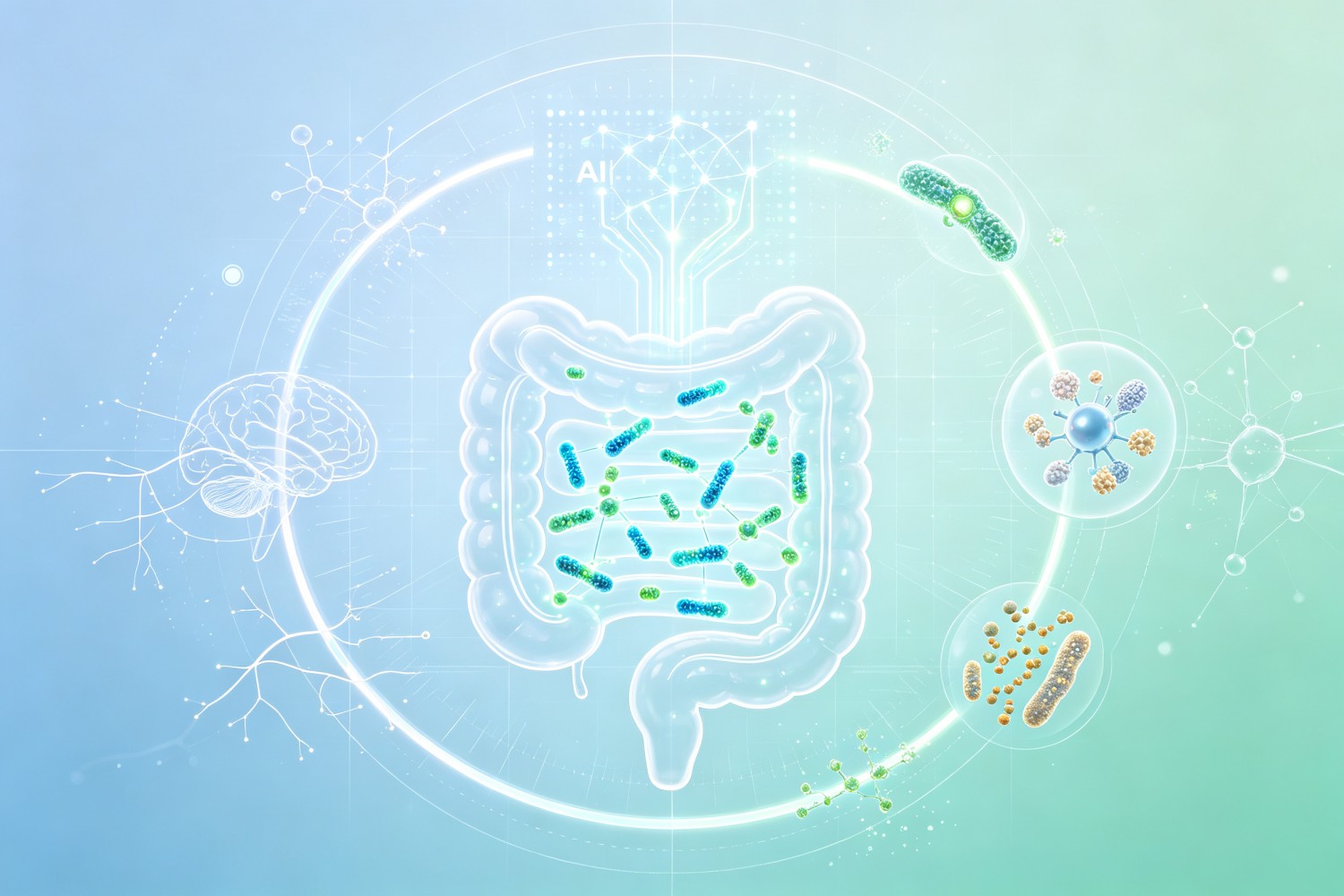
The Faculty of Medicine at The Chinese University of Hong Kong recently achieved multiple breakthrough results in the field of gut microbiome and precision medicine, providing a solid foundation for the scientific application of probiotics.
AI-Driven Precision Microbiome Matching
The CUHK team developed an artificial intelligence framework called MOZAIC to optimise donor-recipient matching for faecal microbiota transplantation. The study analysed 515 faecal microbiota transplantation cases covering 30 cohorts and 12 diseases, finding that clinical efficacy closely related to the degree of recipient microbiota convergence toward the donor. MOZAIC achieved an average AUC of 0.88 in predicting microbiota convergence and a 78.7% accuracy in predicting clinical outcomes. Retrospective simulation showed that it could increase the clinical response rate from 49.4% to 71.0%.
Bifidobacterium breve and Cancer Immunotherapy
Research jointly led by CUHK and Xi’an Jiaotong University found that Bifidobacterium breve could inhibit colorectal tumour formation and enhanced the response of major colorectal cancer subtypes to anti-PD-1 immunotherapy. The study confirmed that this bacterium and its metabolite acetate could activate the JNK/MAPK signal pathway, enhancing the anti-tumour function of CD8+ T cells. This discovery provided a new therapeutic strategy for the microsatellite-stable subtype which accounts for 85% of colorectal cancer patients.
The Relationship Between Gut Microbiota and Brain Development
The CUHK Faculty of Medicine also revealed that the gut microbiome closely related to neurodevelopment in infants and young children. Supplementation with specific gut strains might reduce the risk of neurodevelopmental disorder symptoms, providing a new direction for precision probiotic intervention.