 English
 繁體中文
Industry Trends
Home > News > Industry Trends >Immune Defence During Flu Season: The Key Role of Gut Health
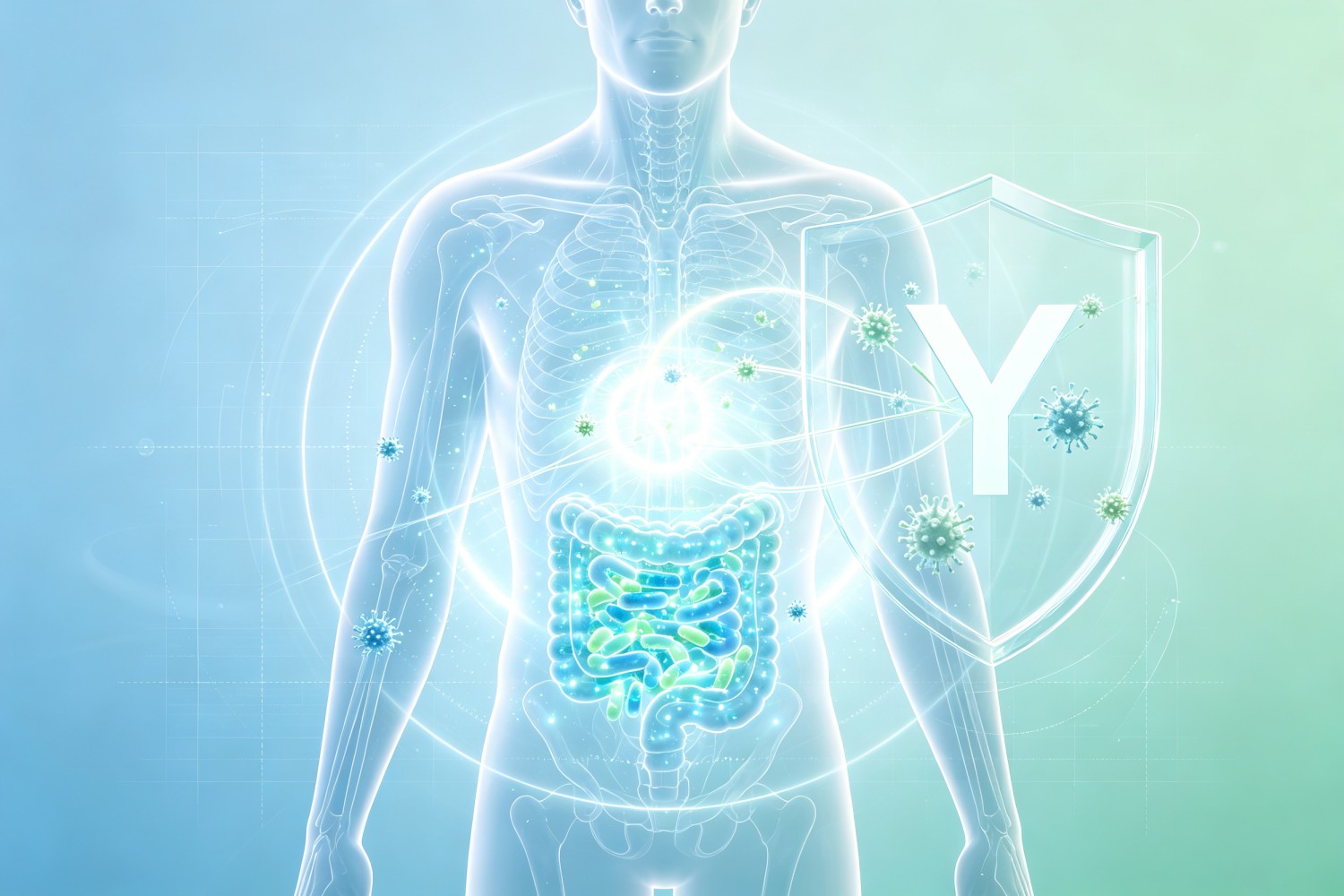
During peak flu season, in addition to vaccination and maintaining good personal hygiene habits, gut health was important of strengthening overall immunity.
The Importance of Vaccines in Preventing Severe Illness
Influenza vaccines was the most cost-effective means of preventing influenza and reducing risk of severe illness and death. According to the *Technical Guidelines for Influenza Vaccination in China (2025–2026)*, those aged 6 months and above without contraindications recommended vaccination. Studies showed that vaccines could reduce the risk of severe illness by more than 70% in children and adolescents, and by 30% to 40% in adults. Since it took 2 to 4 weeks for developing antibodies after vaccination, the months of September and October were good for vaccination.
The Immunomodulatory Role of Gut Health
The gut was the largest immune organ in human body and maintaining a balanced gut microbiota helped regulate the immune system. Research indicated that short-chain fatty acids produced by beneficial gut bacteria could enhance immunity, fight influenza and other viral infections. It helped reduce viral load, improved vaccine efficacy and reduced serious complications. To produce sufficient natural short-chain fatty acids, two key elements were high-fibre food and a healthy gut microecology.
Daily Protective Recommendations
During flu season, in addition to considering probiotic supplementation, we should maintain balanced diet, adequate sleep and moderate exercise. Traditional Chinese medicine experts suggested the food rich in vitamin C, such as kumquats to enhance respiratory defence, while also maintaining indoor ventilation, washing hands and avoiding crowded, enclosed places.